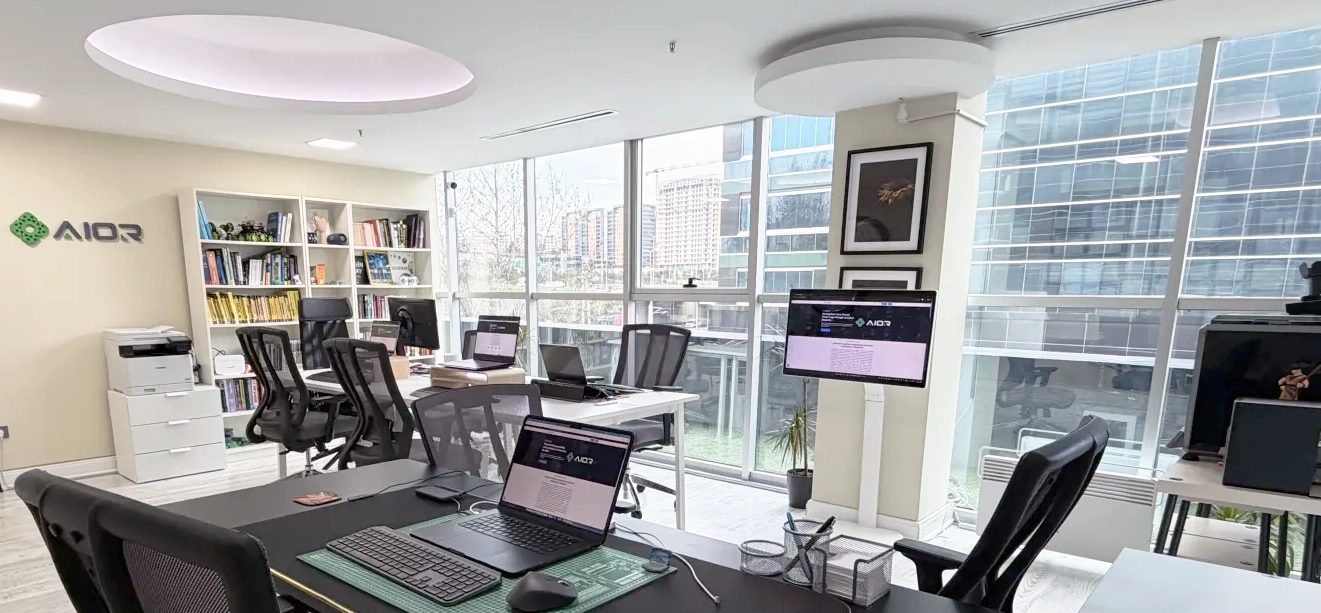
Continuous Support from a Single Point
Continuous support from a single point is about clarity, continuity, and accountability. In many technology environments, support is fragmented across multiple vendors, teams, and contacts. When something goes wrong, time is lost determining who is responsible rather than resolving the issue itself. A single-point support model removes this uncertainty by establishing one accountable interface that understands the system as a whole.
This approach does not simplify problems by ignoring complexity; it manages complexity by centralizing ownership. Software, infrastructure, security, integrations, and operations are treated as parts of the same ecosystem. When support is delivered from a single point, decisions are made with full awareness of dependencies and long-term impact, rather than as isolated fixes.
One Interface, Complete System Awareness
Technology systems evolve over time. Configurations change, integrations are added, workloads grow, and priorities shift. When support is distributed, no single party has a complete picture. Each team sees only its own component, which often leads to partial solutions and recurring issues.
Single-point support maintains holistic system awareness. The supporting team understands how applications interact with infrastructure, how security controls affect performance, and how operational changes ripple through the environment. This shared context enables faster diagnosis and more precise interventions.
Instead of escalating between vendors or coordinating multiple conversations, stakeholders interact with one responsible point that manages the entire process internally. This reduces friction and shortens resolution time.
Continuity Over Time
Support is most effective when it is continuous rather than reactive. Systems behave differently under real usage than they do in initial deployment. Over time, patterns emerge: recurring load peaks, seasonal behavior, gradual performance shifts, and evolving security risks.
A single-point support model preserves institutional memory. Decisions, changes, and lessons learned are retained and referenced. This continuity prevents repeated mistakes and allows improvements to build on prior understanding rather than starting from scratch each time.
Continuity also supports smoother change. Updates, migrations, and optimizations are introduced with awareness of historical context and operational constraints, reducing the risk of disruption.
Clear Accountability and Faster Resolution
When accountability is clear, response becomes decisive. Single-point support establishes who owns the outcome, not just the task. This clarity removes ambiguity during incidents and ensures that resolution efforts remain focused.
Because the same team is responsible for ongoing support, root causes are addressed rather than symptoms. Temporary workarounds give way to durable fixes that improve system stability over time.
Faster resolution is not achieved by rushing, but by understanding. With complete system knowledge and defined ownership, troubleshooting becomes structured and efficient.
Proactive Support and Ongoing Improvement
Continuous support is not limited to responding to issues. It includes proactive monitoring, regular reviews, and planned improvements. Metrics, logs, and usage trends inform decisions about capacity, performance, and security.
Single-point support enables proactive action because insights are not scattered. The same team that monitors the system also implements changes, creating a direct feedback loop. This loop transforms support from a cost center into a driver of reliability and improvement.
Over time, the environment becomes more stable, easier to operate, and better aligned with business needs.
A Long-Term Partnership Model
Continuous support from a single point reflects a partnership mindset rather than a transactional relationship. The support team is invested in the system’s long-term health, not just short-term fixes.
This model fosters trust. Stakeholders know who to contact, what to expect, and how issues will be handled. Communication becomes more direct, and planning becomes more realistic.
As systems grow and requirements evolve, single-point continuous support ensures that complexity is managed deliberately. The result is a technology environment that remains dependable, adaptable, and aligned with organizational goals.